The US Marine Corps has awarded Israeli defense technology company SMARTSHOOTER a follow-on contract worth $3.4 million for additional counter-unmanned aerial system fire control solutions.
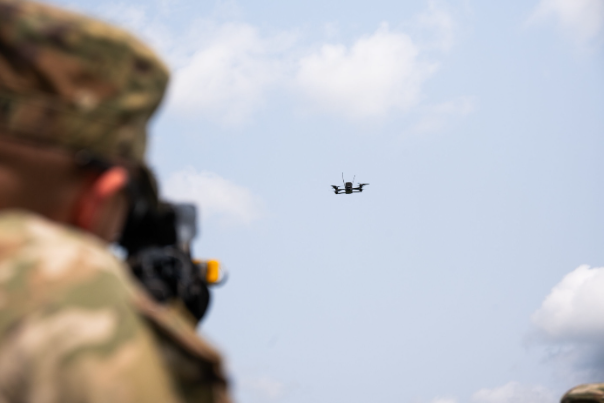
The agreement covers the delivery of the SMASH 2000LE system, also known as the SMASH 3000SA, a weapon-mounted fire control device designed to help frontline troops engage and defeat drone threats and other low-altitude targets with greater accuracy.
The system is intended for squad-level operations and can also be employed against autonomous ground vehicles and other emerging battlefield threats.
AI-Assisted Target Engagement
SMASH 2000LE combines artificial intelligence and advanced computer vision technologies to identify, track, and engage targets. The system can also share threat data with soldiers, command-and-control networks, and battle management systems, enhancing situational awareness across the battlefield.
In addition to the initial procurement, the contract includes options for additional units, spare parts, and training services. If all options are exercised, the total value of the agreement could increase to approximately $5.8 million.
According to the company, deliveries of the systems are expected to begin in late 2026, while training and support activities are scheduled to start during the first quarter of 2027.
Program management and integration efforts will be coordinated through the US Marine Corps Systems Command.
Growing Presence in the US Military
The latest award further expands SMARTSHOOTER’s presence within the US defense sector. The company’s SMASH family of systems has already been selected by the US Army, US Air Force, and US Navy, in addition to being operational with the Israel Defense Forces and several NATO-member armed forces.
In June 2025, SMARTSHOOTER secured its first US Navy contract for SMASH systems in a deal valued at $1.8 million.
Company CEO Michal Mor stated that the new agreement demonstrates continued confidence in the operational effectiveness of the SMASH platform and its ability to address the rapidly growing threat posed by unmanned aerial systems on the modern battlefield.
As armed forces around the world continue to adapt to increasingly drone-centric combat environments, demand for portable and AI-enabled counter-UAS solutions is expected to grow significantly across tactical military units.