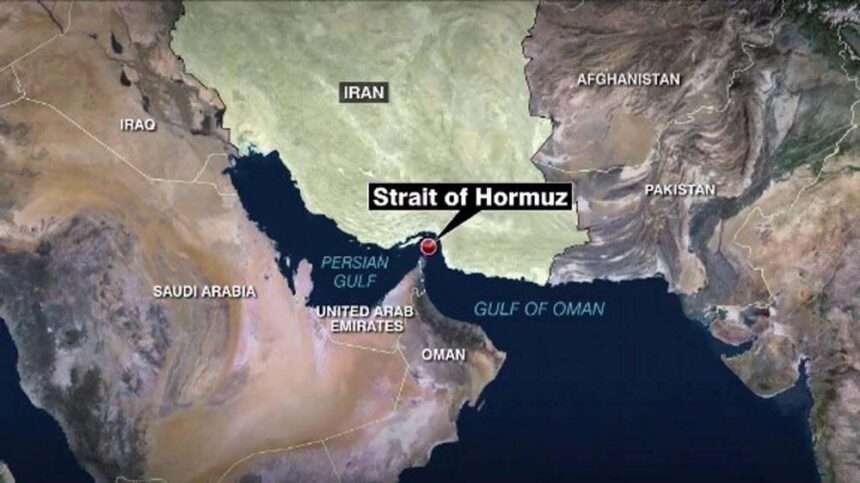
The strategic waters of the Strait of Hormuz remain the center of a global economic and security crisis as of May 1, 2026, with no immediate end in sight for the “dual blockade” that has paralyzed the world’s most critical energy corridor. Following a defiant address from Iran’s Supreme Leader, Mojtaba Khamenei, the Iranian Revolutionary Guard has reinforced its control over the waterway, insisting on a new management regime that includes the potential for sovereign tolls—a move decried as maritime piracy by the international community. This hardening of Tehran’s stance comes in direct response to the United States’ persistent naval blockade of Iranian ports, which was initiated to pressure the regime toward a definitive nuclear agreement. Despite Pakistan-mediated efforts to find a diplomatic off-ramp, the standoff has reached a dangerous impasse: Washington refuses to ease its sanctions until nuclear concessions are made, while Tehran maintains that the reopening of the strait is contingent upon the total withdrawal of Western naval forces and the lifting of all energy-related restrictions.
The consequences of this maritime stalemate are being felt acutely across the globe, with Brent crude oil prices fluctuating violently near $120 a barrel, a level not seen in years. This price surge is fueled by the dramatic collapse in transit volume; whereas the strait typically facilitates the passage of over 100 vessels daily, current maritime data shows as few as a dozen ships attempting the transit, most of which are heavily insured or operating under sovereign protection. The instability has also triggered a tectonic shift in regional alliances, most notably the United Arab Emirates’ recent exit from OPEC, as Gulf nations seek more independent security and economic strategies to survive the volatility. International shipping firms have largely diverted their fleets to longer, more expensive routes, further straining global supply chains and driving up the costs of food and basic commodities. As the second month of this high-stakes maritime siege begins, the risk of a miscalculation at sea remains at an all-time high, with the global economy caught in the crossfire of a geopolitical struggle that shows no signs of cooling.